Blockchain for Social Impact: Empowering Communities
By decentralizing trust, blockchain empowers communities, ensures transparency, and promotes fairness beyond finance.
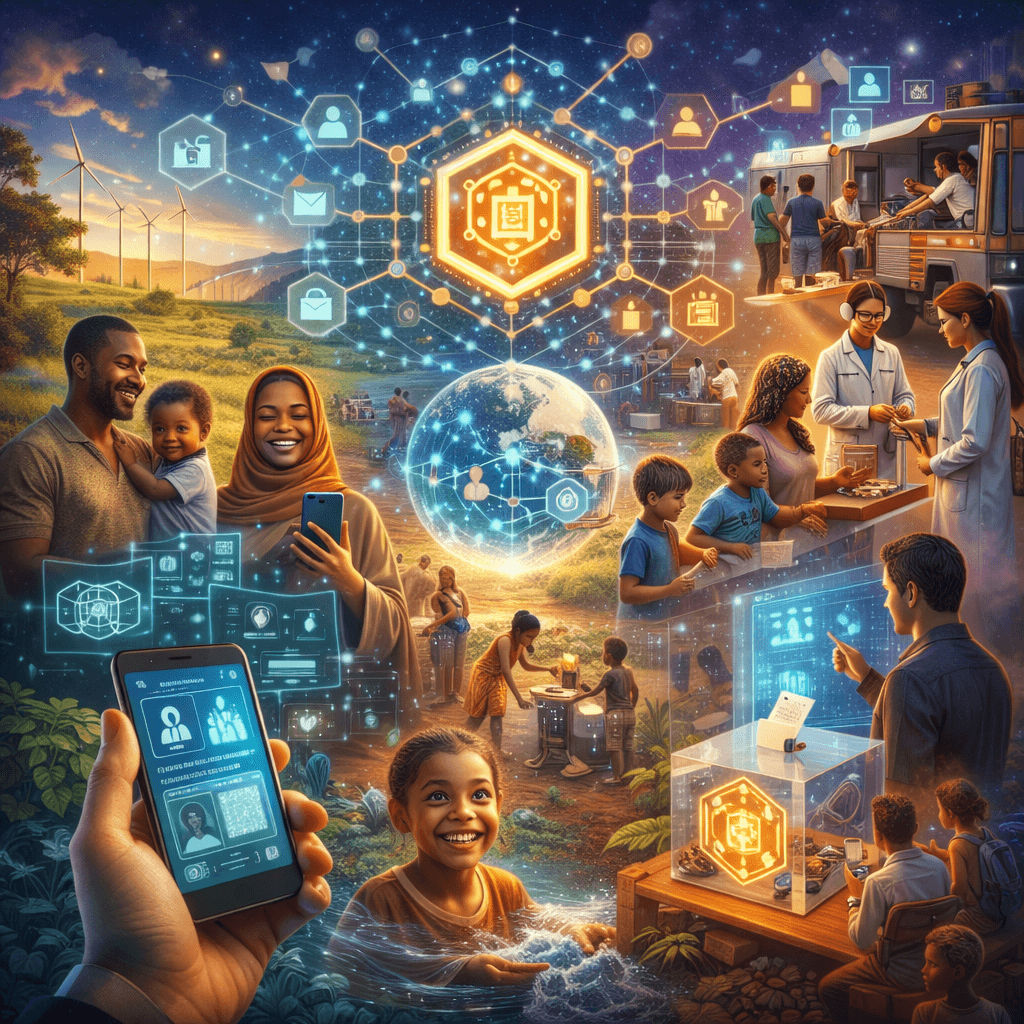
Blockchain is often seen as a tool for finance, but its greatest potential lies in social impact. By decentralizing trust, blockchain can empower communities, ensure transparency, and promote fairness. From microfinance to charity distribution, blockchain is redefining how technology serves humanity.
Microfinance and Rural Development
Access to credit is a major barrier for rural communities. Blockchain-based microfinance platforms can provide small loans directly to farmers and entrepreneurs, reduce reliance on exploitative middlemen, and ensure repayment transparency through smart contracts. This empowers individuals to build businesses and improve livelihoods.
Transparent Charity and Aid Distribution
Charity often suffers from inefficiency and corruption. Blockchain can ensure that aid reaches the intended recipients. Donors can see exactly how their contributions are used. Funds are released only when conditions are met, reducing misuse. NGOs can coordinate aid across borders with shared blockchain records. Transparency builds trust between donors and recipients.
Empowering Marginalized Voices
Blockchain can give marginalized communities a platform to be heard. Communities can share stories without censorship through decentralized media. Refugees and stateless individuals can establish digital identities. Farmers and artisans can sell directly to consumers, bypassing exploitative intermediaries. Blockchain becomes a tool for justice and inclusion.
"Blockchain is more than a financial tool — it is a social revolution."
— Sathya Lakshmi Srinivasan
At Quorum Chain, we believe technology must serve humanity, and blockchain is a powerful step toward that vision.