AI in Supply Chains: From Chaos to Clarity
How artificial intelligence and blockchain are transforming fragile supply chains into transparent, resilient networks.
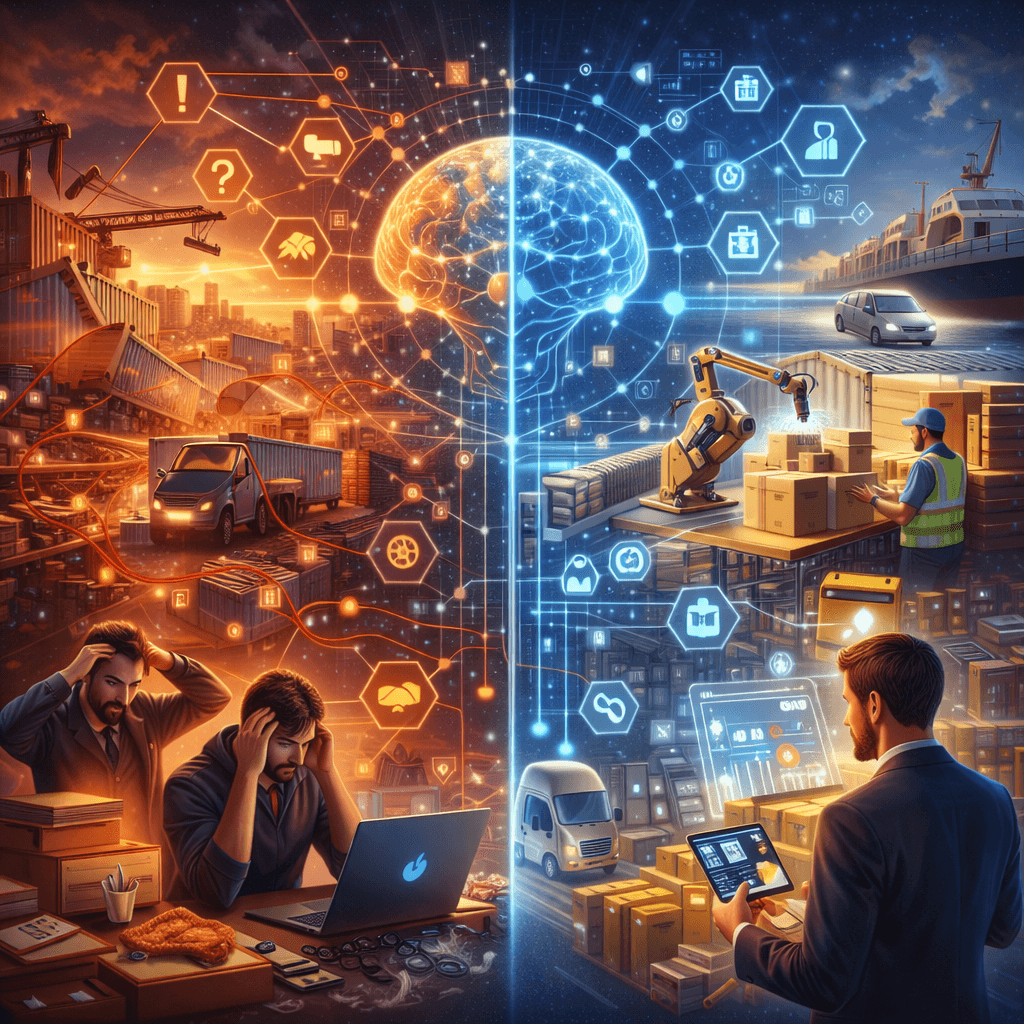
Global supply chains are the lifelines of modern economies, yet they are notoriously fragile. From pandemic disruptions to geopolitical tensions, supply chains often collapse under stress. Artificial intelligence and blockchain are emerging as powerful tools to bring clarity, resilience, and efficiency to this complex web of production and distribution.
Predictive Analytics for Demand Forecasting
AI can analyze historical sales data, market trends, and external factors like weather or political events to forecast demand. In retail, predicting seasonal demand spikes ensures shelves are stocked without overproduction. AI helps manufacturers balance raw material procurement with production schedules. In logistics, forecasting reduces bottlenecks and optimizes delivery routes. Predictive analytics transforms supply chains from reactive to proactive systems.
Robotics in Warehouses and Logistics
Automation is reshaping warehouses. Sorting machines can categorize products faster than humans. Self-driving trucks and drones streamline last-mile delivery. Robots equipped with sensors can track stock levels in real time. Robotics ensures speed, accuracy, and cost efficiency across the entire logistics chain.
Blockchain for Transparency and Accountability
Supply chains often suffer from opacity. Blockchain introduces trust by recording every product's journey immutably. Blockchain verifies authenticity, especially in pharmaceuticals and luxury goods. Payments are triggered automatically upon delivery verification through smart contracts. Transparency builds consumer confidence and reduces fraud.
"Supply chains are not just logistics — they are ecosystems of trust."
— Ananya Srinivasan
AI and blockchain together transform supply chains from chaotic webs into transparent, resilient networks. Technology ensures that products move efficiently, ethically, and sustainably — from factory to consumer.